






Nos engagements historiques orientent nos décisions depuis 20 ans.
En 2023, nous avons formalisé notre démarche de développement durable à horizon 2033 autour de trois piliers.

ACCELERATING THE TRANSITION TO REDUCE OUR IMPACT ON THE CLIMATE
• EMPREINTE CARBONE:
-5% CO2 par an d’ici à 2027 et -20% en 2033
• ÉCOCONCEPTION PACKAGING:
-20% d’usage du plastique vierge d’ici 2027
• POLITIQUE D’ACHAT RESPONSABLE
RESPECTING NATURE AND PRESERVING TERRESTRIAL BIODIVERSITY
- IMPROVING THE TRACEABILITY
of our natural ingredient supply chains
- REINTRODUCING TERRESTRIAL BIODIVERSITY
on our value chains
- ECO-CIRCULARITY PROJECT
on our local supply chains
TO VALUE PEOPLE AND ADAPT TO THE ENVIRONMENT AROUND US
- PRODUCTS MADE IN FRANCE
- POTENTIAL DEVELOPMENT
starting with women
ACCELERATING THE TRANSITION TO REDUCE OUR IMPACT ON THE CLIMATE
CARBON FOOTPRINT :
Selon notre bilan carbone réalisé en 2022, 85 % de nos émissions de gaz à effet de serre sont liées à la conception, aux achats et à la fabrication de nos produits, notamment aux ingrédients et aux emballages.
Le Petit Olivier s’engage à diminuer son empreinte carbone : -5% CO2 par an d’ici à 2027 et – 20% CO2 d’ici à 2033 (par rapport à 2022).
PACKAGING ECO-DESIGN :
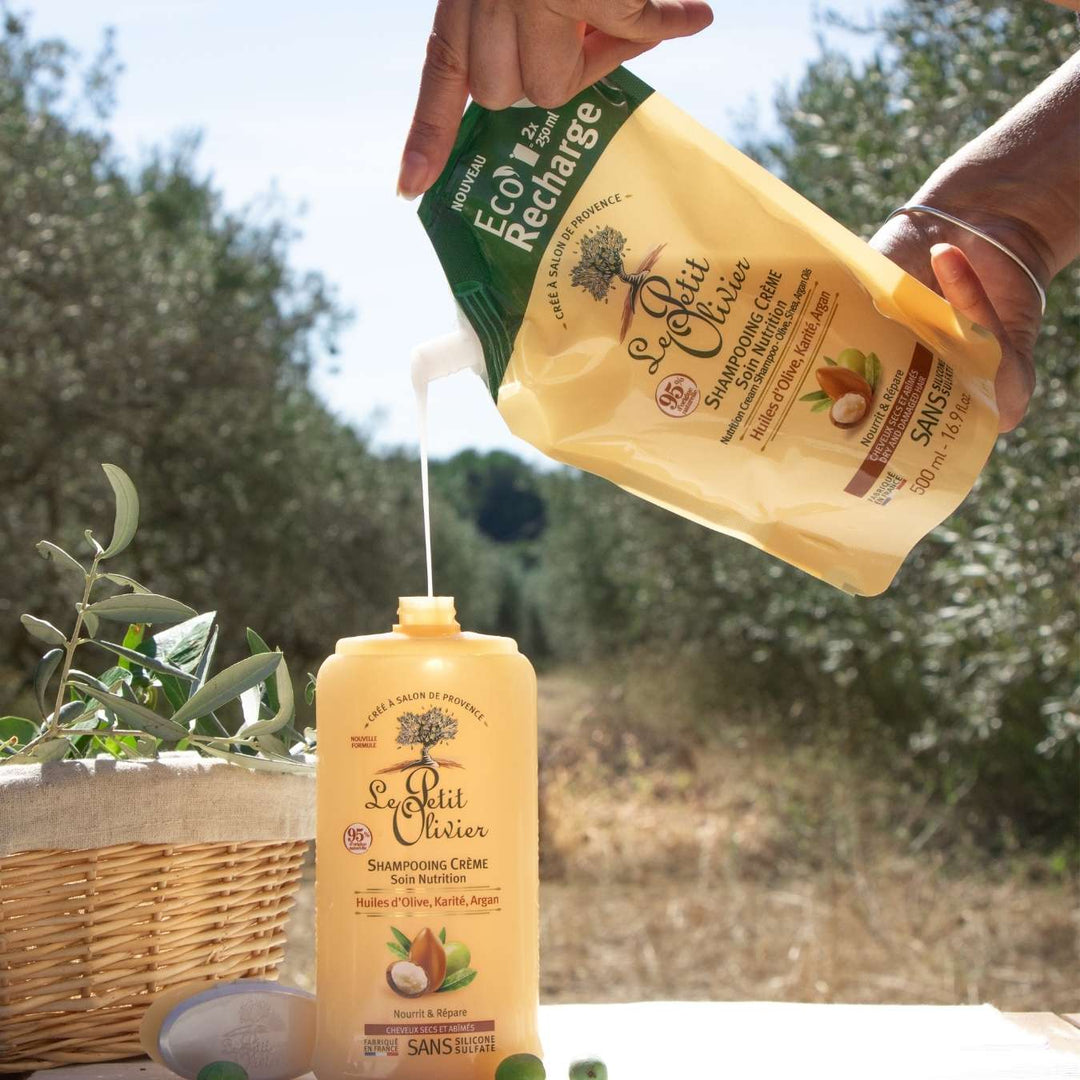
Le Petit Olivier poursuit sa transformation packaging dans une démarche d’écoconception débutée en 2020 sur ses nouvelles gammes.
Réussites à date :
- REDUCE: Launch of a solid cosmetics range, integration of plant-based plastics in the baby range.
- RECYCLE: Integration of 25% to 50% recycled plastic in packaging (depending on technical feasibility and availability of PET, PE/PP materials).
- REUSE: Development of refills. By 2027, the La Phocéenne Group will have reduced its use of virgin plastic by 20%.
INTÉGRER DES CRITÈRES ENVIRONNEMENTAUX ET SOCIAUX À NOS ACHATS :
Une grande partie de notre empreinte carbone est indirectement liée au "scope 3", c'est à dire l’activité de nos partenaires fournisseurs, sous-traitants ou le transport et la fin de vie des produits. Sans eux, les produits du Petit Olivier ne verraient pas le jour : c’est pour cela que nous travaillons avec nos partenaires pour mieux intégrer des critères environnementaux et sociaux dans nos achats.
NOS ACTIONS EN FAVEUR DE LA BIODIVERSITÉ
améliorer la traçabilité de nos filières d’ingrédients d’origine naturelle
Depuis la création de notre propre laboratoire en 2015, notre équipe R&D sélectionne les matières premières selon nos critères de qualité, de sécurité, d’efficacité et de traçabilité.
In 2022, the La Phocéenne Group carried out its biodiversity footprint, measuring that 80% of the brand's terrestrial and aquatic impact is linked to the raw materials used in its products. With a view to improving this biodiversity footprint, we are implementing more precise supplier selection criteria, seeking to better understand our supply chains and measure their impacts, and setting up more local partnerships.
REINTRODUCE TERRESTRIAL BIODIVERSITY TO OUR VALUE CHAINS
Le Petit Olivier s’engage en amont de la création de ses produits sur deux filières d’ingrédients naturels - la filière olive et la filière argan - pour la préservation des savoir-faire locaux dans une démarche d’agriculture
biologique ou équitable.
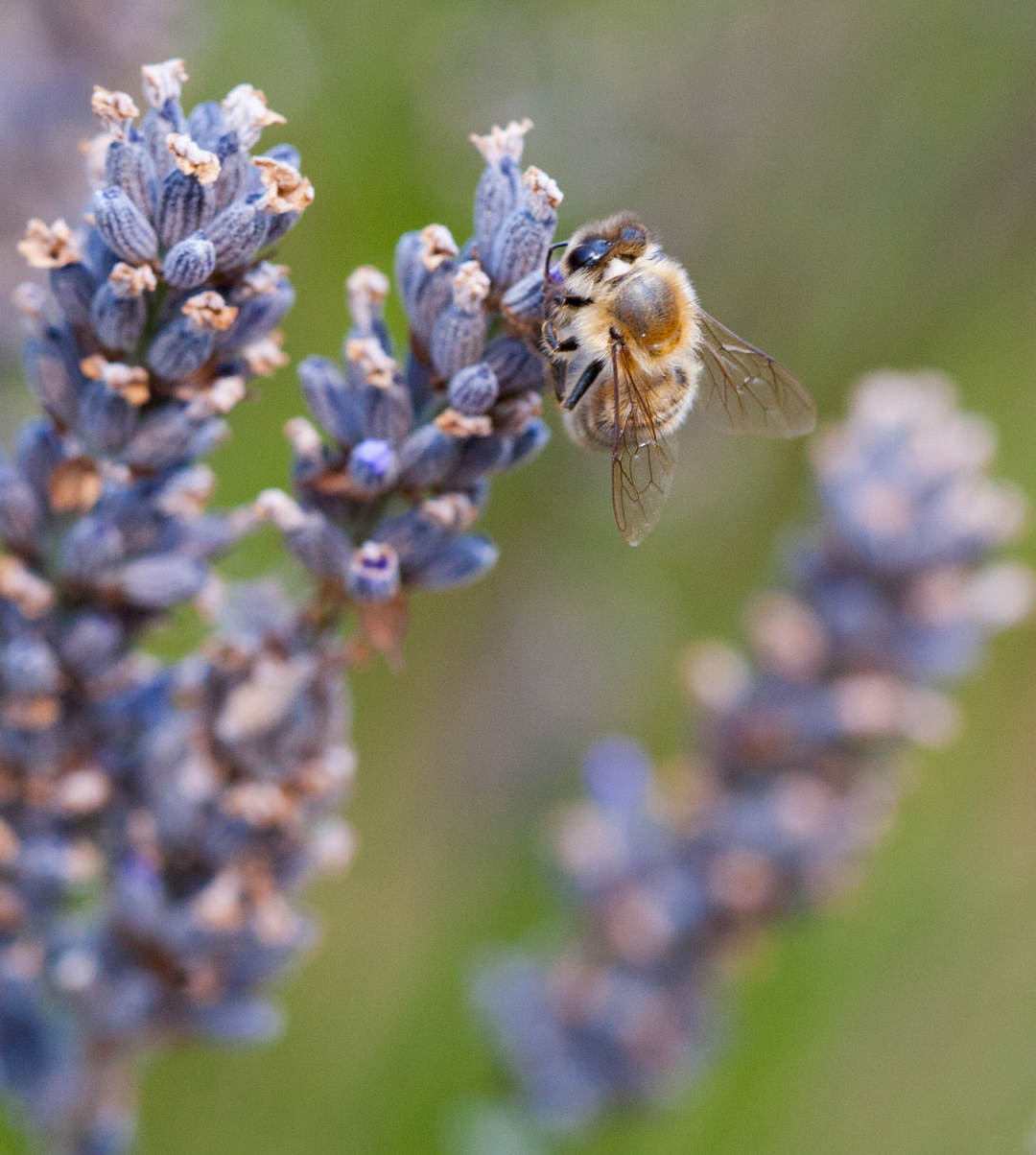
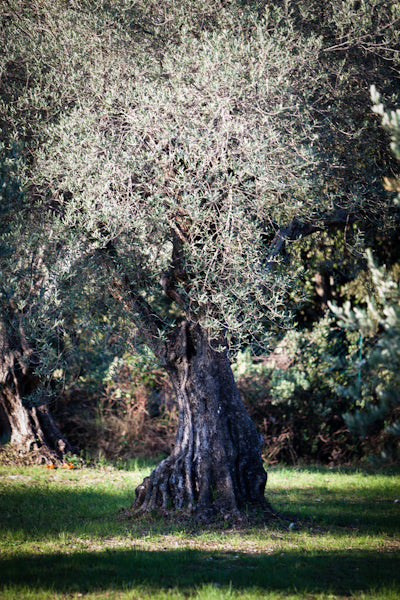
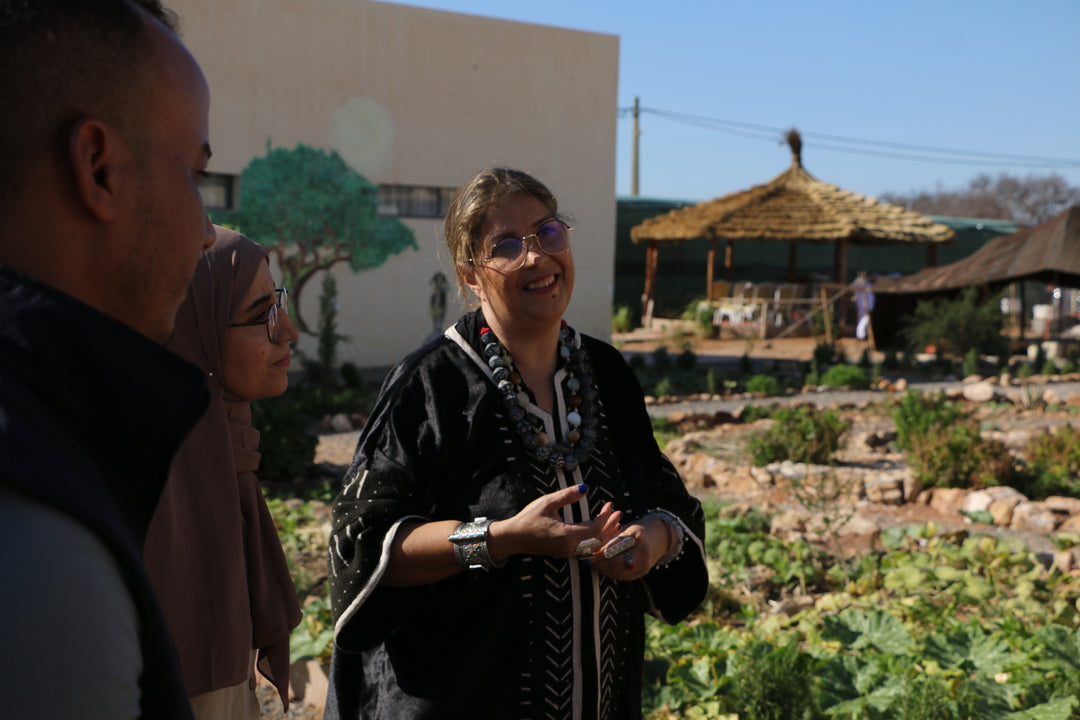
Au sein du Moulin de Cante Perdrix par exemple Le Petit Olivier utilise les déchets de sa filière d’olive pour enrichir les sols au pieds des 1500 pieds d’oliviers. L’approche en agriculture biologique respectueuse de l’écosystème local constitue un espace propice au retour de la biodiversité. Sur sa filière d’argan - le Village Solaire d'Essaouira - Le Petit Olivier a réintégré des ruches et des plantes mellifères dans un jardin en permaculture pour faire revenir la biodiversité et forme une trentaines d’habitants à l’agriculture et l’apiculture.
EXPERIMENTING WITH ECO-CIRCULARITY IN OUR SUPPLY CHAINS
La marque réalise des expérimentations pour aller plus loin dans l’éco-circularité en partenariat avec Nissactive pour valoriser les déchets de production issus de la transformation des olives (le grignon et la margine) du Moulin du Petit Olivier pour le réintégrer dans nos gammes de soin.
TO VALUE THE PEOPLE WHO MAKE IT POSSIBLE FOR LE PETIT OLIVIER TO EXIST:
GUARANTEEING MADE IN FRANCE
The brand is 100% made in France and 93% of purchases are made in France. This is one of the brand's historic principles Le Petit Olivier was created by Eric Renard and Xavier Padovani - two passionate and adventurous co-founders - who dared to become the "nature partner" of mass retailers 20 years ago, by highlighting the heritage of Provence and French cosmetic know-how.
SUPPORTING THE DEVELOPMENT OF POTENTIAL
Le Petit Olivier has the ambition to be sustainable. To achieve this, we bring together men and women capable of developing their individual capacities to build a collective future together. Le Petit Olivier's sustainable development commitments are the result of this collective effort. We value passion and are committed to employee development, promoting internal career development and gender equality. For example, 80% of the members of our management committee have been women since the start of the adventure.


